Can You Play Pickleball with Plantar Fasciitis?
Quick Answer: Yes, often with modifications, though how much depends on your symptoms and your doctor’s advice. The Cleveland Clinic reports that about 1 in 10 people develop plantar fasciitis, and the American Academy of Orthopaedic Surgeons finds more than 90 percent of cases improve with simple conservative treatment. Supportive shoes, stretching, and reduced court time typically make continued play possible.
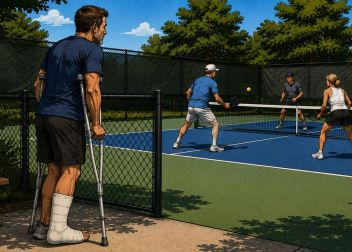
Heel pain is one of the more common complaints among pickleball players, and plantar fasciitis is usually the reason. The good news is that it responds well to treatment. The catch is that pushing through it on the court is one of the reliable ways to make it last longer.
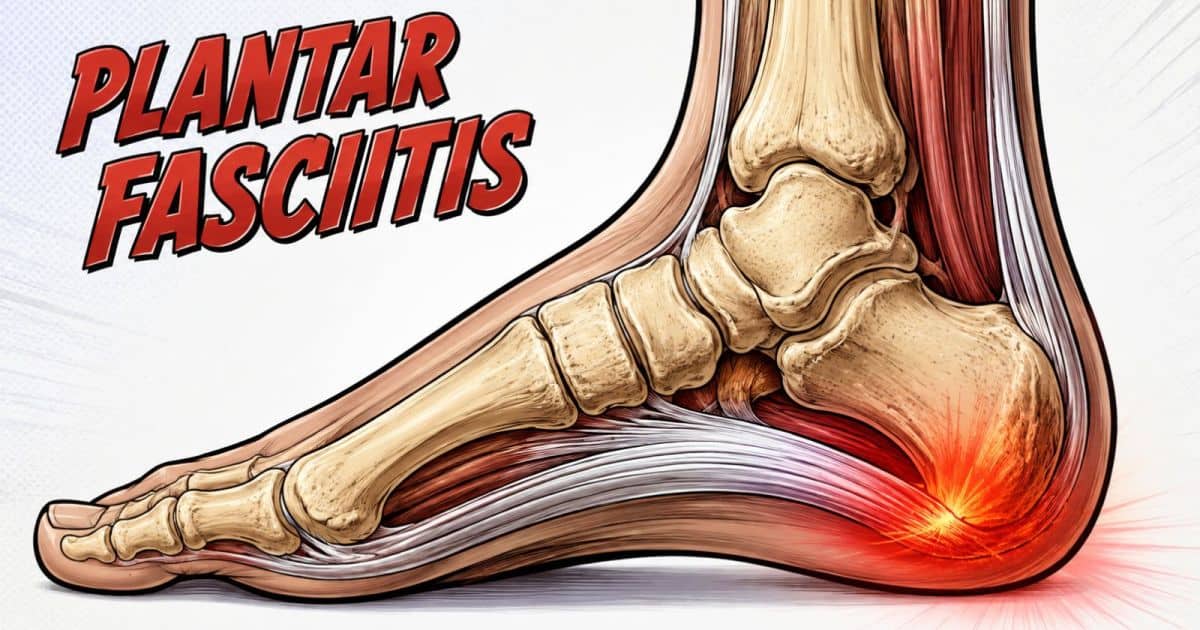
What is plantar fasciitis and why does pickleball aggravate it?
Plantar fasciitis is inflammation and small tears in the plantar fascia, the thick band of tissue that runs along the bottom of your foot and supports your arch. According to the Cleveland Clinic, about 1 in 10 people develop plantar fasciitis at some point in their life. As of September 2026, more than 2 million people in the United States are treated for it every year, according to the American Academy of Orthopaedic Surgeons (AAOS).
The classic symptom is sharp heel pain with your first steps in the morning, or after you have been sitting for a while. The Mayo Clinic explains that the tissue tightens while you rest, then gets stretched suddenly when you stand, which is why the pain is often sharpest right at the start.
Pickleball puts real, repeated stress on that tissue. The Mayo Clinic lists sports that involve jumping or quick movements, including tennis and basketball, as risk factors for plantar fasciitis, and pickleball’s short sprints, split steps, and sudden direction changes load the heel in a similar way. A hard outdoor court adds to it, and so do worn-out shoes, since the Mayo Clinic names old or worn-out shoes as a specific risk factor because they lose support and stability.
Pain that fades once you get moving does not mean the tissue is recovering. It usually means the joint has warmed up enough to mask the irritation for an hour, and that irritation is still there the next morning.
What actually helps?
Conservative treatment works for the large majority of players. More than 90 percent of patients with plantar fasciitis improve within 10 months of starting simple treatment methods, according to the AAOS.
What tends to help, roughly in the order a doctor is likely to suggest it:
- Stretch the calf and plantar fascia. The AAOS calls stretching the calf muscles and the plantar fascia itself the most effective way to relieve the pain that comes with this condition.
- Wear supportive shoes. Court shoes with real arch support matter, since the Mayo Clinic lists worn-out shoes as a specific risk factor. A guide to pickleball shoes with arch support and to pickleball shoes for plantar fasciitis covers what to look for.
- Try insoles or orthotics. The Cleveland Clinic notes that a provider may recommend either pre-made, over-the-counter inserts or custom orthotics molded to the exact shape of your foot. A guide on whether insoles help for pickleball covers the difference.
- Use a night splint. The AAOS describes night splints as very effective at reducing heel pain, since they hold a gentle stretch overnight so the first steps of the day hurt less.
- Cut back on court time rather than stopping outright. The American Podiatric Medical Association (APMA) notes that resting alone provides only temporary relief and that pain often returns after prolonged rest or extensive walking, so rest works best paired with the steps above rather than as a stand-alone fix.
If those steps are not enough, a podiatrist has more tools. The Cleveland Clinic lists corticosteroid injections into the plantar fascia and extracorporeal shockwave therapy, sometimes called EPAT, which applies sound waves to the tissue to increase blood flow.
Surgery is a late step. The Cleveland Clinic describes needing surgery for plantar fasciitis as very rare, and the AAOS reserves it for patients who have not seen improvement after 12 months of aggressive nonsurgical treatment. The APMA agrees, noting that only a relatively few cases of heel pain require more advanced treatment or surgery.
How should you modify your play?
Reducing how you play often matters more than quitting outright. A few practical changes:
- Shorten sessions before you cut the sport out completely. Play fewer games per outing and take more breaks between them.
- Warm up properly. A real warm-up routine matters more once the tissue is already irritated. See the best pickleball warm-up routine to prevent injury.
- Stretch afterward, not just before. A guide to the best stretches after playing pickleball covers the calf and fascia work that applies directly here.
- Replace worn shoes. Support breaks down before the outsole looks finished, and the Mayo Clinic names old or worn-out shoes as a specific risk factor for plantar fasciitis.
- Favor softer surfaces when you have the option. Indoor courts and cushioned surfaces load the heel less than hard outdoor asphalt.
When should you stop and see a doctor?
Get evaluated if the pain is sharp rather than achy, if it keeps getting worse week over week, if it lasts more than a few weeks despite self-care, if it followed a specific injury, or if you notice numbness or tingling. Anyone with diabetes, a nerve condition, or a prior foot or heel injury should talk to a doctor before self-treating, since those conditions change how the foot heals and how new pain should be read.
Surgery is rare and comes late in treatment. The AAOS reserves it for patients who have not improved after 12 months of aggressive nonsurgical treatment, and the Cleveland Clinic describes needing it as very rare.
Frequently asked questions
Can you play pickleball with plantar fasciitis? Often yes, usually with reduced court time, supportive shoes, and consistent stretching, but whether that fits your case depends on your symptoms and your doctor’s advice.
Why does my heel hurt most in the morning? The Mayo Clinic explains that the plantar fascia tightens while you rest, then gets stretched suddenly when you stand, which is why the first steps of the day are often the sharpest.
How common is plantar fasciitis? About 1 in 10 people develop it at some point in their life, according to the Cleveland Clinic, which makes it one of the more frequent causes of heel pain.
How long does plantar fasciitis take to resolve? According to the AAOS, more than 90 percent of patients improve within 10 months of starting simple treatment such as stretching, supportive shoes, and orthotics.
Do insoles or orthotics actually help? The Cleveland Clinic notes that a provider may suggest pre-made, over-the-counter inserts or custom orthotics molded to your foot, depending on what your arch needs.
Will it go away without surgery? Usually. The AAOS reports that more than 90 percent of patients improve with simple treatment, and reserves surgery for those who have not improved after 12 months of aggressive nonsurgical care.
Does it come back? That varies by person. Sticking with stretching and replacing worn shoes after the pain resolves helps keep the same load from building back up.
Should I stop playing entirely? Not always. Reducing court time is usually part of recovery, but if pain is sharp, worsening, or lasting beyond a few weeks of self-care, stop and get evaluated by a doctor.
Plantar fasciitis is common and treatable, and it responds better the earlier you address it instead of playing through it. Pair supportive shoes and consistent stretching with a real recovery plan, and find a specialist near you in the Pickler Junction physicians and therapists directory. This article is general information, not medical advice.
Written by the Pickler Junction Team.