Adaptive Pickleball Equipment
Quick Answer: Adaptive pickleball equipment makes the game playable for people with a wide range of abilities. The main tools include sport wheelchairs (lightweight, with cambered wheels and anti-tip casters), lighter paddles, larger or custom grips, paddle straps that secure the paddle to the hand, and gloves for grip. For visually impaired players, balls with bells or bright high-contrast colors help. Balance aids, quiet paddles for noise sensitivity, and tactile court markings round out the options. Much of it pairs with standard paddles and balls.
You do not need a lot of specialized gear to play adaptive pickleball, but the right tools can make a big difference in comfort, safety, and performance. Here is what is available.
If you have a health condition, check with your doctor, physical therapist, or occupational therapist about what equipment suits you.
What equipment helps wheelchair players?
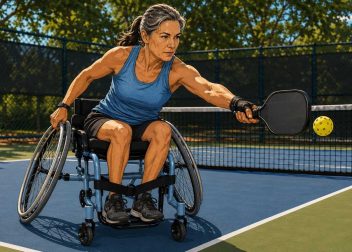
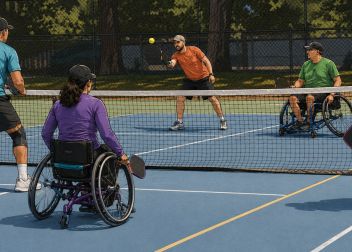
A sport wheelchair, plus standard gear. The biggest addition for wheelchair play is the chair itself, designed for agility rather than everyday use.
What to look for in a sport wheelchair:
- Lightweight frame, for quick movement and turns.
- Cambered (angled) wheels, for stability and fast direction changes.
- A low backrest, so the swing is not blocked.
- Anti-tip casters in the back, for safety.
- Safety straps, to keep the player secure while reaching.
Tennis-style and multi-sport wheelchairs are both common, with multi-sport chairs offering adjustable footrests and seat height. The net, paddle, and ball stay standard. See our guide on wheelchair pickleball rules.
What paddle and grip modifications are available?
Lighter paddles, custom grips, and straps. Many players benefit from small changes to the paddle, especially those with limited hand function, arm strength, or dexterity.
Helpful paddle adaptations:
- Lighter paddles, easier to handle and swing with less strength.
- Larger or custom grips, for limited dexterity or grip strength.
- Paddle straps, securing the paddle to the hand or a prosthetic.
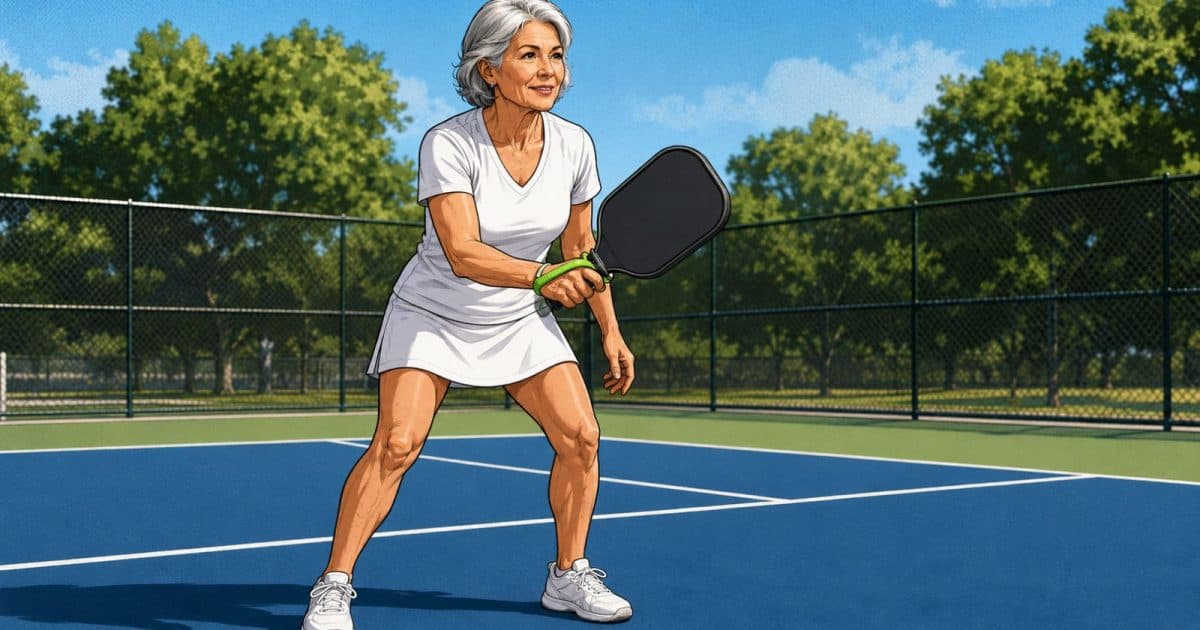
- Gloves, for a more secure hold and to prevent slips.
- Quiet paddles, for players with noise sensitivity.
A lighter paddle is the simplest, highest-impact change for many players. Notably, official rules treat a prosthetic as part of the body, so a ball off a prosthetic stays in play.
What about visual, sensory, and balance needs?
Sound balls, bright colors, and balance aids. Adaptive equipment goes well beyond wheelchairs, supporting players with visual, sensory, or balance needs.
Other adaptive tools:
- Audible balls with bells inside, for visually impaired players. See our guide on pickleball for visually impaired players.
- Bright, high-contrast balls, for players with low vision.
- Tactile court markings, to help orient players by feel.
- Balance aids like canes or crutches, for those who need them.
- Wrist and joint supports, for added stability and protection.
Where to find this gear: specialty adaptive sports suppliers, some knowledgeable pickleball retailers, and guidance from occupational or physical therapists. To get started, see our guide on pickleball for people with disabilities, and find adaptive programs in our adaptive pickleball directory.
Frequently asked questions
What adaptive equipment exists for pickleball? Sport wheelchairs, lighter paddles, larger or custom grips, paddle straps, gloves, audible or bright balls for visual impairment, balance aids, quiet paddles for noise sensitivity, and tactile court markings, much of it used alongside standard paddles and balls.
How can people with disabilities play pickleball? Through rule modifications (like the two-bounce rule for wheelchair users) and adaptive equipment such as sport wheelchairs, lightweight paddles, grip aids, audible balls, and balance aids, often supported by inclusive programs.
What kind of paddle is best for adaptive play? Often a lighter paddle, which is easier to handle and swing with less strength. Larger or custom grips and paddle straps help players with limited dexterity, and quiet paddles suit those with noise sensitivity.
What equipment do visually impaired players use? Balls with bells inside (audible balls) or bright, high-contrast colors, along with tactile court markings and verbal cues from a sighted helper. See our visually impaired guide for how the game is adapted.
Do you need a special wheelchair to play? A sport wheelchair (lightweight, with cambered wheels and anti-tip casters) is ideal for agility and safety, but beginners can start in an everyday chair. The rest of the equipment is standard.
Where can I get adaptive pickleball equipment? From specialty adaptive sports suppliers, some knowledgeable pickleball retailers, and through occupational or physical therapists, who can recommend what fits your needs and abilities.
The right equipment opens the game to nearly everyone. Pair this with our guides on wheelchair rules and pickleball for people with disabilities, and find adaptive programs in our adaptive pickleball directory.
Written by the Pickler Junction Team.