Do Pickleball Training Aids Work?
Quick Answer: Yes, when the aid matches the skill being trained and gets used often. A wall is the top free option for dinks and resets. Agility ladders and cones build footwork cheaply. Ball machines give the most structured reps of all, but only pay off once a practice habit already exists.
Pickleball’s training aid market has grown alongside the sport itself. According to the Sports & Fitness Industry Association (SFIA), more than 24.3 million people played pickleball in the United States in 2025, up from 4.2 million in 2020, and the marketing for paddles, machines, and gadgets has grown just as fast. Some of that gear earns its price. Some does not. Here is how to tell the difference before spending.
Which training aids actually help?
The ones that give repetitions a game will not. That is the real test. A match might produce a dozen third shot drops in an hour. A tool that produces a hundred in twenty minutes is doing something a game cannot.
What earns its place:
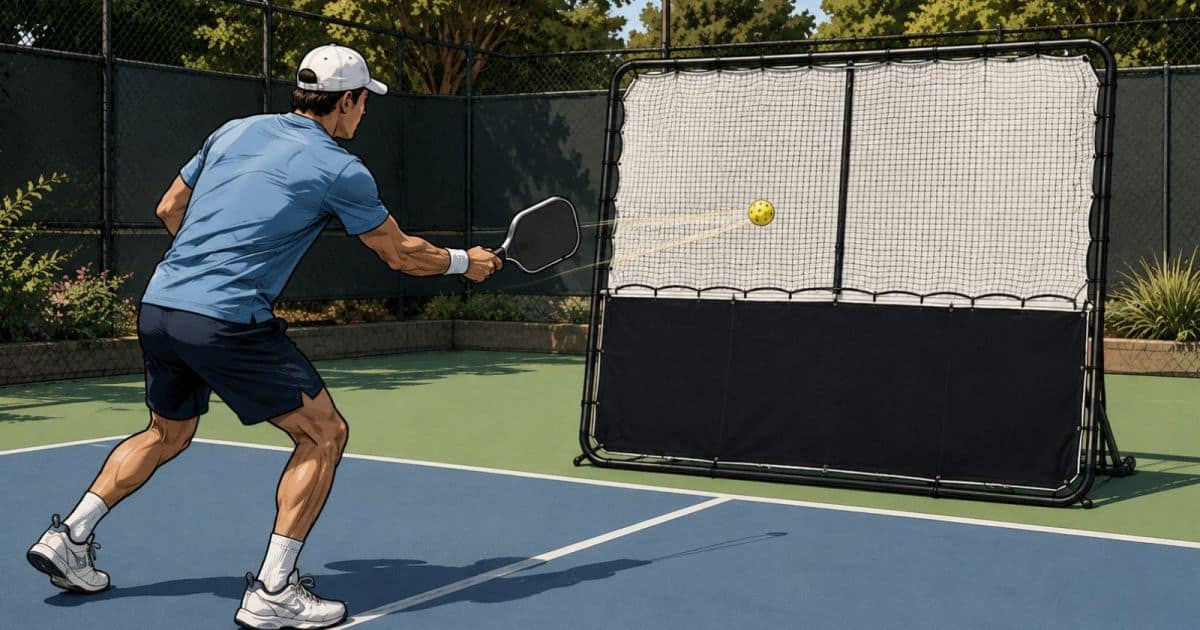
- A wall. Practicing against a wall is the most productive solo option, and it costs nothing. Dinks, volleys, resets, and hand speed all improve with wall reps, since the ball comes back faster and more often than any partner drill allows.
- Agility equipment. Ladders and cones cost little and build real gains in foot speed and endurance. Many players see real gains from just two to three short sessions a week.
- Ball machines. The most structured, repeatable feed available. A machine that varies topspin and backspin gives noticeably better practice than a one-speed feeder, because it forces a player to read the ball rather than memorize a rhythm.
- Rebounders. A portable stand-in for a wall, useful for volley and reset reps for players without access to a blank wall.
- Targets and training paddles. Marking a target zone works best when it matches the real court. Under the 2026 USA Pickleball rulebook, the non-volley zone extends 7 feet from the net on each side (Section 11), so taping that distance on a wall or the floor gives an honest target for third shot drop practice. The net itself sits 36 inches high at the sidelines and 34 inches at the center (Section 3), and a taped line at that height shows whether a shot is clearing with real margin, not just clearing.
Repeating a movement with immediate feedback on whether it worked is how most shots improve fastest, and structured feedback is exactly what training tools exist to provide. A wall or a machine shows a player instantly whether a dink stayed low or a drop landed short. A rally with a partner often does not, because the point is already moving on to the next shot.
Which ones disappoint?
Anything bought as a substitute for practice, rather than a structure for it. The pattern holds across price points: the best training aid is the one that actually gets used. A rebounder gathering dust in a garage improves nothing, while fifteen minutes of focused daily practice with no equipment at all changes a game faster than most purchases do.
The purchases that most often stall:
- Ball machines bought before a habit exists. The machine is the most effective tool on this list and also the most abandoned one, because it requires setup, court access, and a standing plan to use it.
- Gadgets that train a skill games already train. A player who rallies four times a week does not need a tool for general ball contact. That player needs a tool for the one shot that keeps breaking down under pressure.
- Anything bought instead of drilling. Tools structure practice. They do not replace the practice itself. The guide on improving at pickleball fast covers where drilling actually fits into a week.
A useful filter before buying anything: name the shot that loses the most points, then buy whatever gives that shot the most repetitions per week. A player who cannot name the shot does not need equipment yet. A wall and the beginner drills guide come first.
How should you build a practice setup?
Match the tool to the skill, and start at the cheap end before spending on the expensive end.
- Soft hands and resets: a wall or rebounder, daily if possible.
- Footwork and first-step speed: a ladder and cones, two to three sessions a week. For the strength side of quick footwork, the guide to strength training for pickleball covers the conditioning work that supports it.
- Placement: targets set on the court, or taped zones on a wall using the court dimensions above.
- Consistency under a feed: a ball machine, ideally one with spin variation, or a practice partner feeding from a bucket of balls.
- Solo sessions generally: the guide on practicing pickleball by yourself covers routines that need nothing but a ball, a paddle, and a hard surface.
Cost is part of the decision. Private pickleball coaching typically runs $50 to $100 or more per hour, and group clinics run $20 to $50 per person for a one to two hour session, as of September 2026. A wall costs nothing, and a ladder or a set of cones costs less than a single private lesson, which is why the cheap end of the list is worth testing before the expensive end. Finding a court or an open wall to practice against starts with Pickleheads, USA Pickleball’s official court finder, which lists more than 25,000 places to play.
A reasonable progression is to spend nothing first, then spend a little, then spend a lot only once the habit has survived a month. The wall proves a player will actually practice. The cones prove they will do the boring, repetitive work. Only then is a ball machine worth its price, because by that point it will actually get used.
Frequently asked questions
Do pickleball training aids actually work? Yes, when the tool matches the skill being trained and gets used consistently. Repetition paired with immediate feedback is what improves a shot, and that is what a well-chosen tool provides.
What is the best free training aid? A wall. It builds dinks, volleys, resets, and hand speed with more repetitions than most partner drills allow, and it costs nothing.
Are ball machines worth the money? For a player with a standing practice habit, yes. A ball machine provides the most structured, repeatable practice available, and one with topspin and backspin variation is meaningfully better than a one-speed feeder.
What cheap equipment gives the biggest gains? Agility ladders and cones. They cost little, and two to three short sessions a week produce real gains in foot speed and endurance.
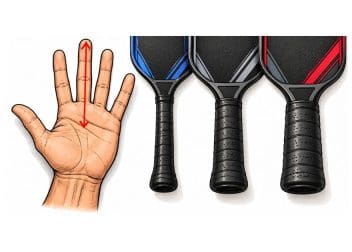
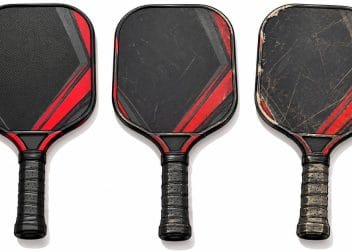
Do training paddles help? They can sharpen contact quality and placement, but they are a refinement. Fundamentals and footwork tools come first.
How much should a beginner expect to spend compared to coaching? Private coaching runs $50 to $100 or more per hour and group clinics run $20 to $50 per session. A wall is free, and a ladder or cones cost a fraction of a single lesson, which makes them a reasonable first step before booking paid instruction.
How often should training aids be used? Short and frequent beats long and rare. Fifteen focused minutes daily outperforms an occasional long session with the same tool.
Should a beginner buy a ball machine first? Usually not. Starting with a wall and structured drills, then buying a machine once the practice habit has held for a month or more, is the more reliable order.
Training aids work exactly as hard as the practice habit behind them. Start at the cheap end of the list, and browse ball machines, rebounders, and agility gear through the Pickler Junction gear and accessories directory.
Written by the Pickler Junction Team.