Virtual Pickleball Coaching vs. In-Person Clinic: Which Gets You Better Faster?
Quick Answer: An in-person clinic builds skills faster for many players, because a coach corrects grip, footwork, and shot selection in real time during live reps. Virtual coaching offers lower cost, flexible scheduling, and detailed video review from coaches anywhere. The fastest path combines an in-person clinic for hands-on correction with virtual sessions to reinforce it between visits.
Virtual pickleball coaching is remote instruction built around video review and live video calls with a coach. An in-person clinic is on-court group instruction with a coach watching every rep. Both formats have grown alongside the sport itself. According to the Sports & Fitness Industry Association, US pickleball participation reached 24.3 million players in 2025, up from 4.2 million in 2020, and that growth has pulled in coaching options of every kind.
What is the difference between virtual and in-person coaching?
One format happens on the court. The other happens through a screen. That single difference shapes what each one can do for your game.
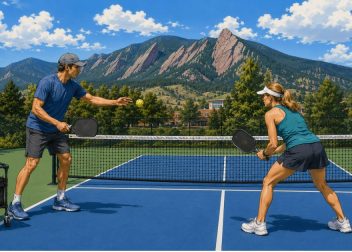
- In-person clinic: a coach watches you live, feeds balls, corrects your footwork on the spot, and runs drills with immediate feedback. Group clinics typically run one to two hours and cost $20 to $50 per person as of September 2026.
- Virtual coaching: you send match or drill footage, and a coach reviews it, marks it up, and explains fixes over video, sometimes on a live call. Private coaching, whether virtual or in-person, generally runs $50 to $100 or more per hour.
If you have not worked with a coach before, see the guide on how to find a pickleball coach for what to look for in either format.
In-person coaching builds the swing. Virtual coaching explains it. A coach standing next to you can adjust your grip mid-rally, which no video call can do. A video call can slow your serve motion down frame by frame and show exactly where the timing breaks, which is hard to see live at full speed.
Which one makes you better faster?
In-person coaching gets many players results faster, because improvement depends on repeating the right movement with feedback attached, and a clinic delivers that in real time. A coach can catch a footwork error on rep three instead of after watching game film days later.
Where in-person wins:
- Live correction during the shot itself, not after the fact.
- Real reps against a coach feeding balls or live opponents, which a screen cannot replicate.
- Footwork and positioning fixes that need eyes on your whole body, not just your paddle face.
- Immediate accountability, since a coach standing next to you notices when an old habit creeps back in.
A clinic with a lower player-to-coach ratio gives you more of that live correction. See the breakdown of a good player-to-coach ratio at a pickleball clinic for what to check before you book one.
Where virtual wins:
- Convenience, since sessions happen on your schedule from anywhere with a connection.
- Lower cost per session in many cases, without travel or court fees added on.
- Access to coaches outside your area, including specialists you would not otherwise reach.
- Frame-by-frame video review, which is hard to do accurately in the middle of a clinic.
Virtual coaching has a hard limit. It can diagnose a problem with precision, but it cannot put in the reps for you. A coach can tell you your paddle is late on the third shot drop every single time, and you still have to drill that fix on a real court until it becomes automatic.
How should you combine them?
Use in-person for reps and virtual for refinement. The two formats work best together rather than as a choice between one or the other.
A practical loop looks like this:
- Book an in-person clinic to build or correct mechanics with a coach watching live.
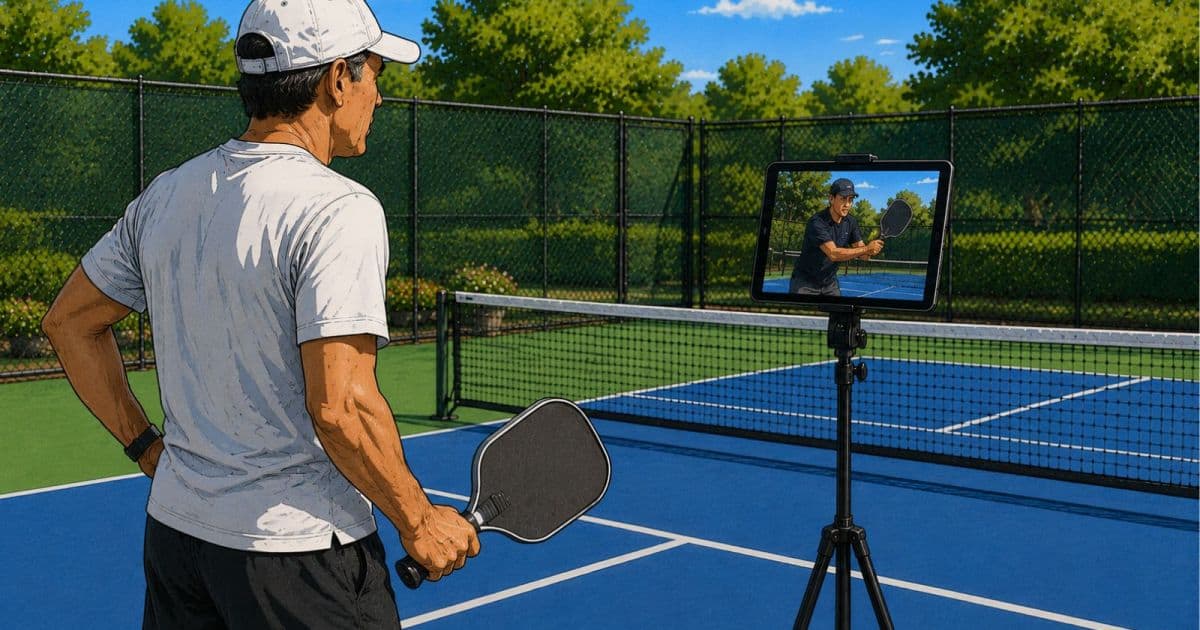
- Film your open play in the weeks after, using your phone from the sideline.
- Send that footage for virtual review to catch patterns you cannot feel in the moment.
- Drill the specific fix at your next session, then repeat the loop.
Pickleheads, USA Pickleball’s official court finder, lists more than 25,000 places to play, which makes it a reasonable starting point for finding a nearby clinic to build that loop around.
If you want a fully hands-on option instead of splitting time between formats, see the comparison of a pickleball clinic vs. a private lesson. If you are deciding whether structured instruction is worth it at all compared to just playing, the clinic vs. open play comparison breaks down what each option adds.
Frequently asked questions
Is online pickleball coaching worth it? Yes, for technique review, strategy breakdowns, and access to coaches you could not otherwise reach. It works best as a diagnostic tool that you pair with on-court reps to apply the fixes.
Can you really improve from virtual coaching alone? You can sharpen your understanding of technique and strategy through video review, but muscle memory still comes from repetition. Virtual coaching identifies what to fix. It does not replace the reps needed to fix it.
Which is cheaper, virtual or in-person coaching? Virtual sessions are often less expensive per session since there is no court rental or travel involved, while in-person coaching, at $50 to $100 or more per hour, includes live reps and feedback in real time. Combining both balances cost against results.
Is in-person coaching always better for beginners? For learning basic mechanics, yes, because beginners need live correction on grip, footwork, and timing before those habits get baked in. Section 10.A of the 2026 USA Pickleball rulebook covers the two-bounce rule, which requires the ball to bounce once on each side of the net before either team can volley, and a coach on the court can enforce that rhythm in real time. Virtual review becomes more useful once a player has that foundation.
What do you need for virtual coaching? A phone to film your play, steady footage from a few angles, and a coach who offers remote video review. Some virtual coaching includes live video calls in addition to recorded review.
How is coaching usually priced? Hourly private coaching, whether delivered virtually or in person, generally falls in the $50 to $100 or more range. Group clinics run cheaper per person, typically $20 to $50 for a one to two hour session.
Should a beginner start with a clinic before trying virtual coaching? Starting with an in-person clinic gives a new player a coach’s eyes on basic mechanics from the first session. See the guide on what to expect at a pickleball clinic for beginners for how those first sessions are typically structured, then add virtual review once the fundamentals are in place.
Whichever format fits a schedule and a budget, the fastest path to better pickleball usually blends both: live reps with a coach and video review between sessions. Pickler Junction’s pickleball camps and clinics directory lists in-person clinics and coaches to help build that loop close to home.
Written by the Pickler Junction Team.