Is Pickleball Good for Osteoporosis? Bone Health Benefits Explained
Quick Answer: Pickleball is a weight-bearing activity, and weight-bearing exercise helps build and maintain bone density, so it can support bone health and reduce osteoporosis risk. The National Institutes of Health lists racket sports like pickleball among bone-strengthening activities. If you already have osteoporosis, fall risk needs care, so check with your doctor first.
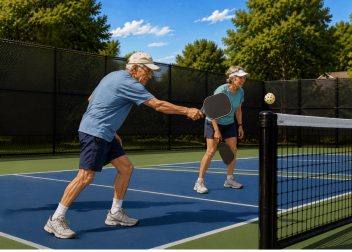
Osteoporosis is a condition of low bone density that makes bones fragile and prone to fracture, and exercise is a key part of keeping bones strong. Because pickleball makes your body work against gravity, it falls into the category of activities that support bone health.
Is pickleball good for your bones?
Yes, as a weight-bearing exercise it helps. When you move against gravity, the force on your bones signals them to maintain and build density. The National Institute of Arthritis and Musculoskeletal and Skin Diseases lists racket sports, including pickleball, among weight-bearing exercises that support bone health.
Why this matters:
- Weight-bearing movement stimulates bone-building activity.
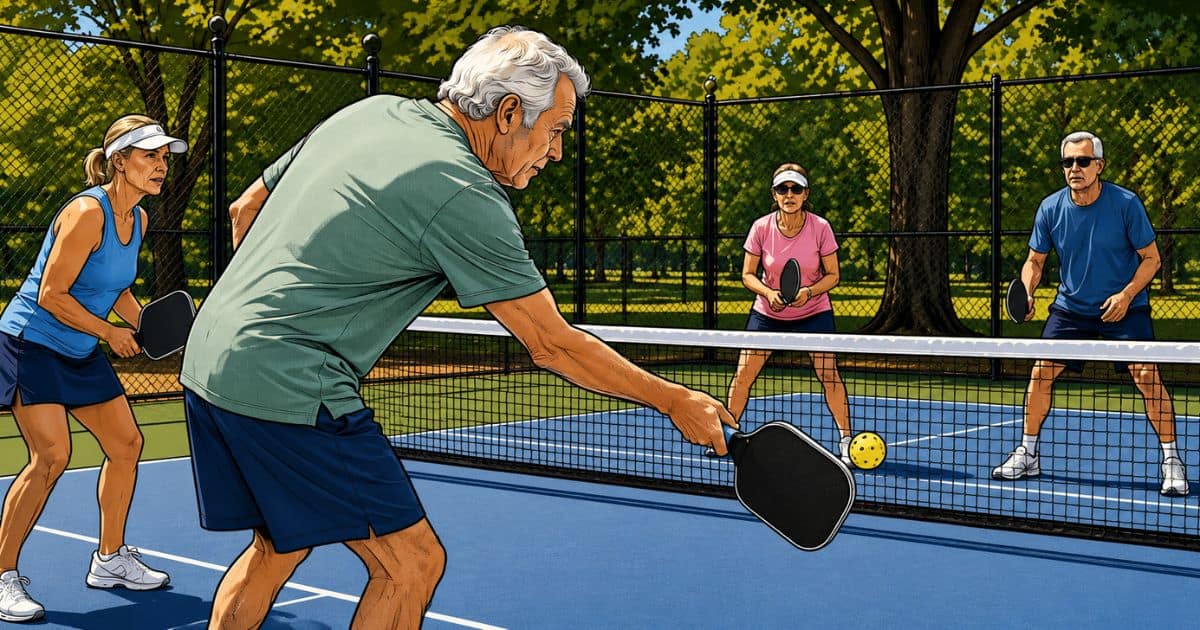
- Lateral steps and pivots load the hips and spine, common fracture sites.
- Holding and swinging the paddle adds light loading to the wrists.
- Stronger leg and core muscles improve balance, lowering fall risk.
Bone loss can begin surprisingly early and accelerates for women around menopause, so building the habit of weight-bearing activity earlier pays off later. For the wider set of benefits, see our guide to the health benefits of pickleball for seniors.
What does the research suggest?
Weight-bearing activity supports bone density, and that principle applies to pickleball. The broad evidence for weight-bearing exercise and bone health is well established, and clinicians point to racket sports as a fitting example. Some smaller studies of older women in pickleball programs have reported favorable bone-density changes compared with inactive peers, though pickleball-specific research is still limited.
The practical bottom line:
- Pickleball counts as a weight-bearing, bone-supporting activity.
- Combining it with strength training boosts the benefit, since muscle pulling on bone also builds density.
- The balance and leg strength you gain help prevent the falls that cause fractures.
To add the strength piece, our off-court workouts guide covers squats, lunges, and resistance work that complement play.
Is pickleball safe if you already have osteoporosis?
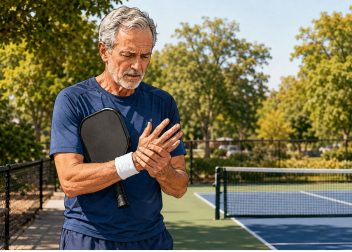
It can be, but it needs caution and medical guidance. This is the nuance that matters most. The same direction changes and pivots that load your bones also carry fall and fracture risk if your bones are already fragile.
If you have osteoporosis or osteopenia:
- Talk to your doctor first. Ask whether and how to play given your bone density.
- Get screened. The U.S. Preventive Services Task Force recommends osteoporosis screening for women 65 and older, and for younger postmenopausal women with risk factors.
- Prioritize balance and strength training to reduce fall risk before and alongside play.
- Avoid sudden, extreme twisting and play within your limits.
- Consider working with a physical therapist to adapt your movement safely.
A physical therapist or sports medicine provider can assess your situation and help you decide if pickleball fits, and how to play it safely.
Frequently asked questions
Is pickleball good for bone density? Yes. As a weight-bearing activity, it helps stimulate and maintain bone density, and health authorities list racket sports among bone-supporting exercises.
Can pickleball help prevent osteoporosis? It can contribute, since weight-bearing exercise supports bone health and the leg strength and balance you build help prevent fractures from falls. Combine it with strength training for more benefit.
Is pickleball safe if I have osteoporosis? It may be, with caution and your doctor’s guidance. Quick direction changes and fall risk need managing, so get screened, build balance and strength, and consider a physical therapist’s input first.
Is pickleball good for women’s bone health? Yes, and it is especially relevant because bone loss accelerates around menopause. Weight-bearing activity like pickleball, paired with strength training, helps support bone density over time.
What other exercises help bones along with pickleball? Strength training (squats, lunges, resistance work), brisk walking, and balance exercises all support bone health and complement pickleball nicely.
Should I get a bone density scan before playing? If you are at risk of osteoporosis or in a recommended screening group, yes. A scan and a conversation with your doctor help you play safely.
Strong bones come from a mix of weight-bearing play and strength work. Pair this with our off-court workouts, and if your bone health is a concern, talk with a physical therapist or sports medicine provider before you ramp up.
This article is general information, not medical advice. If you have osteoporosis or are at risk, talk with your doctor before starting or changing a sport.
Written by the Pickler Junction Team.